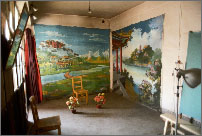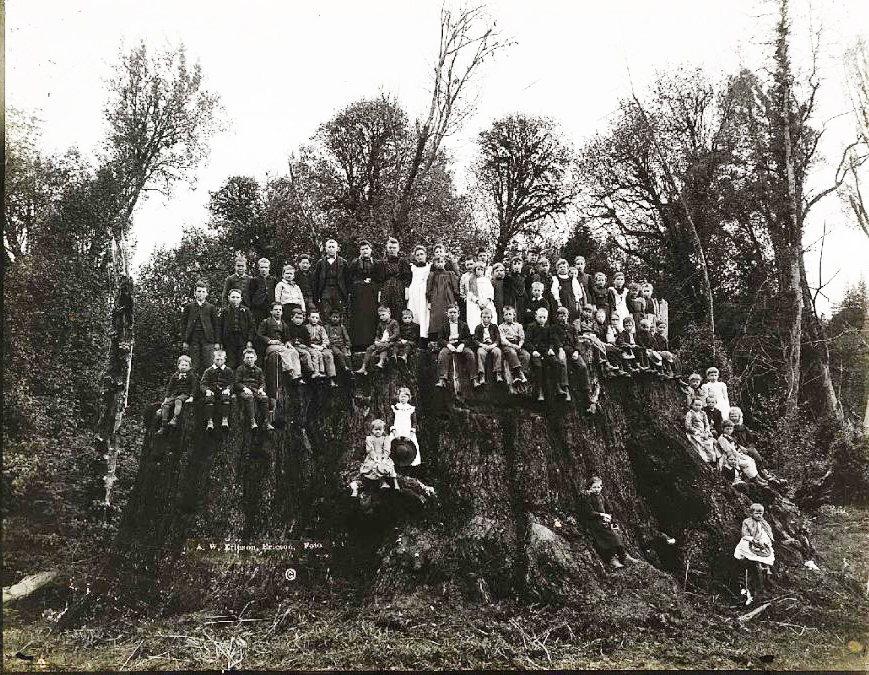
The Archangel Ancient Tree Archive has cloned five ancient redwood stumps to create 75 saplings. After 2 years of propagation, the saplings were planted in the Presidio in SF in the hopes of creating a supergrove. I'm intrigued by the science behind this project. The short film Moving the Giants tells the story of Archangel scientist David Milarch an arborist on a quest to archive the genetics of the world’s largest trees before they’re gone.
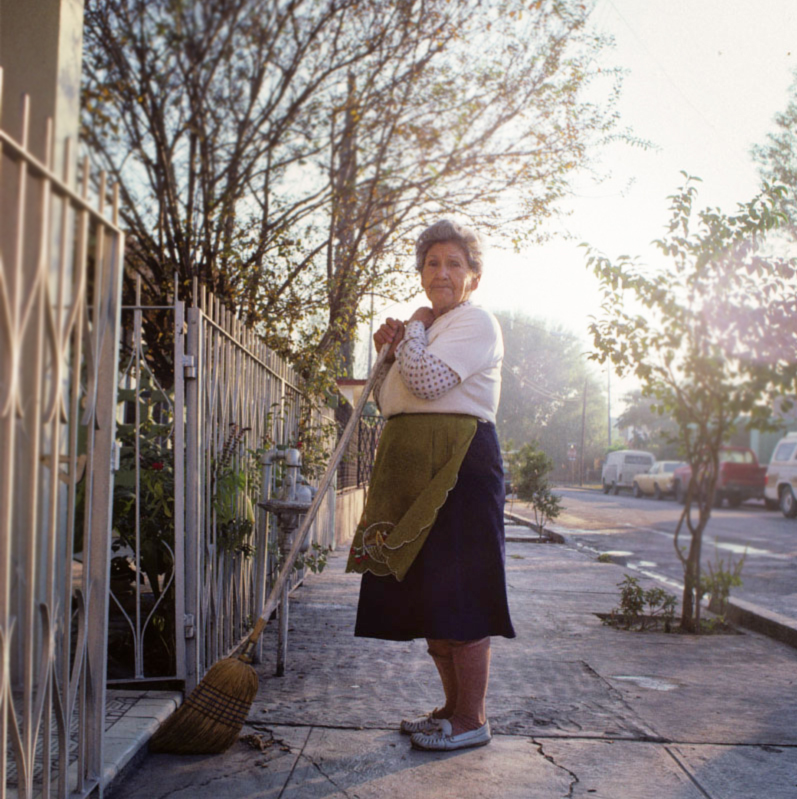
Watching Alfonso Cuarón's Roma, I couldn't help thinking about the woman who worked for my abuelito's family. We affectionately called her Cucita and loved her dearly. In northern Mexico, at least in our family the lines of class and race were not as clearly defined as they are in Mexico City as families in the north are a bit more mixed and close to the earth. This said the shape of relationships depicted were all deeply familiar.
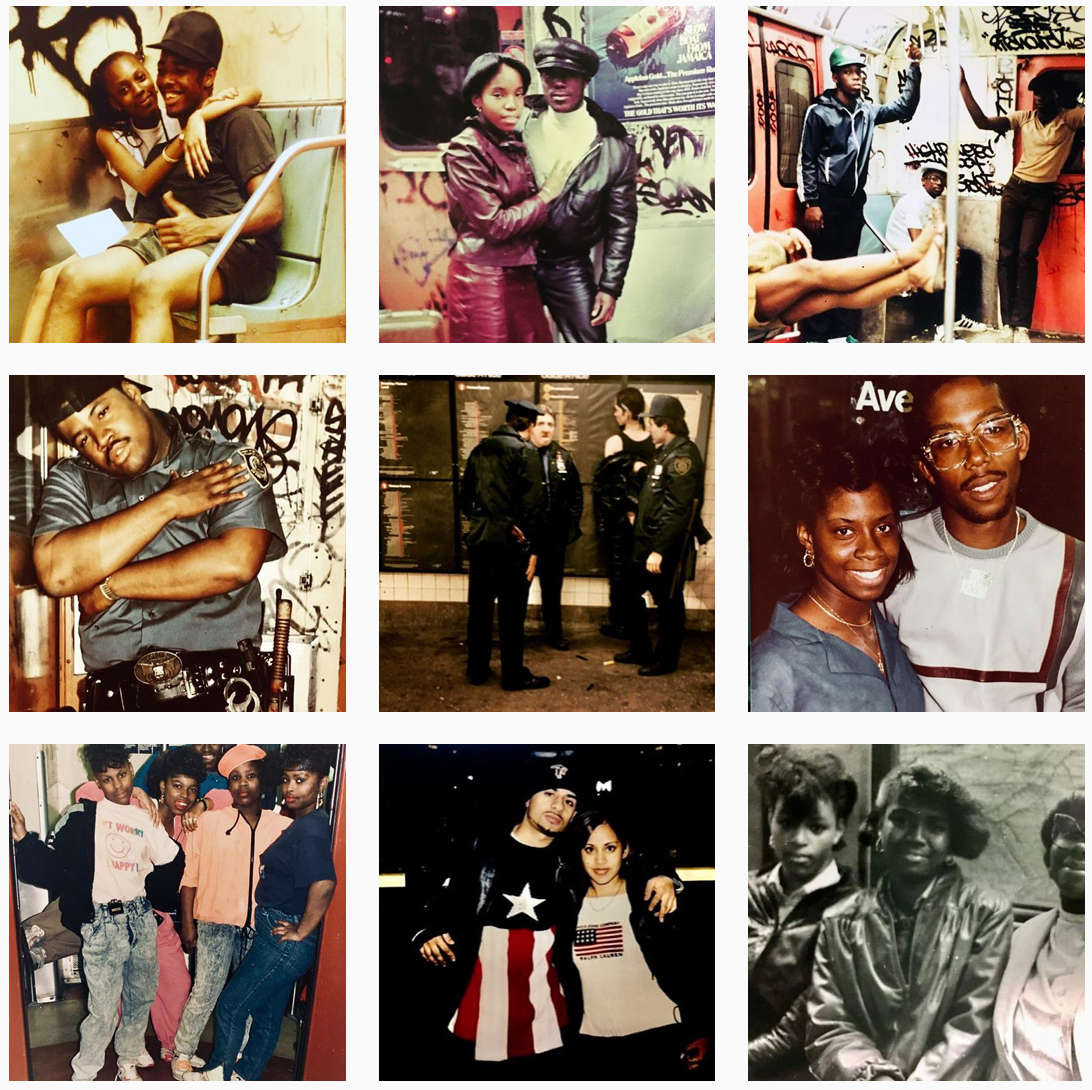
Jamel Shabazz has been photographing Brooklyn since he was 15. His Instagram feed full of images of 1980's NY is a love letter to that time, the city and its people. He's working on a new book titled, "The Book of Life." I can't wait to see check it out.
Related: New York's Summer of '78
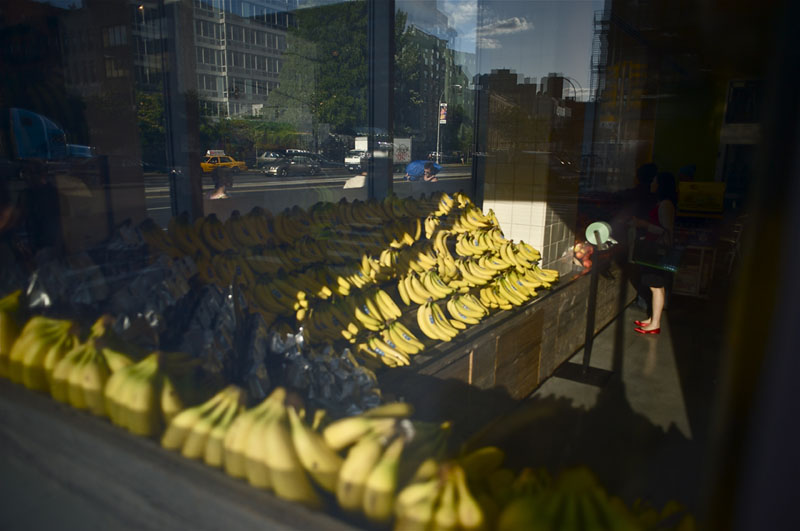
I like reading stories that change the way I look at the world, even if it's only a degree or two. I read Annie Correal's The Secret Life of the City Banana a year and a half ago, and now every time I pass a fruit stand I'm reminded of it. The writing is lively. Worth the read.
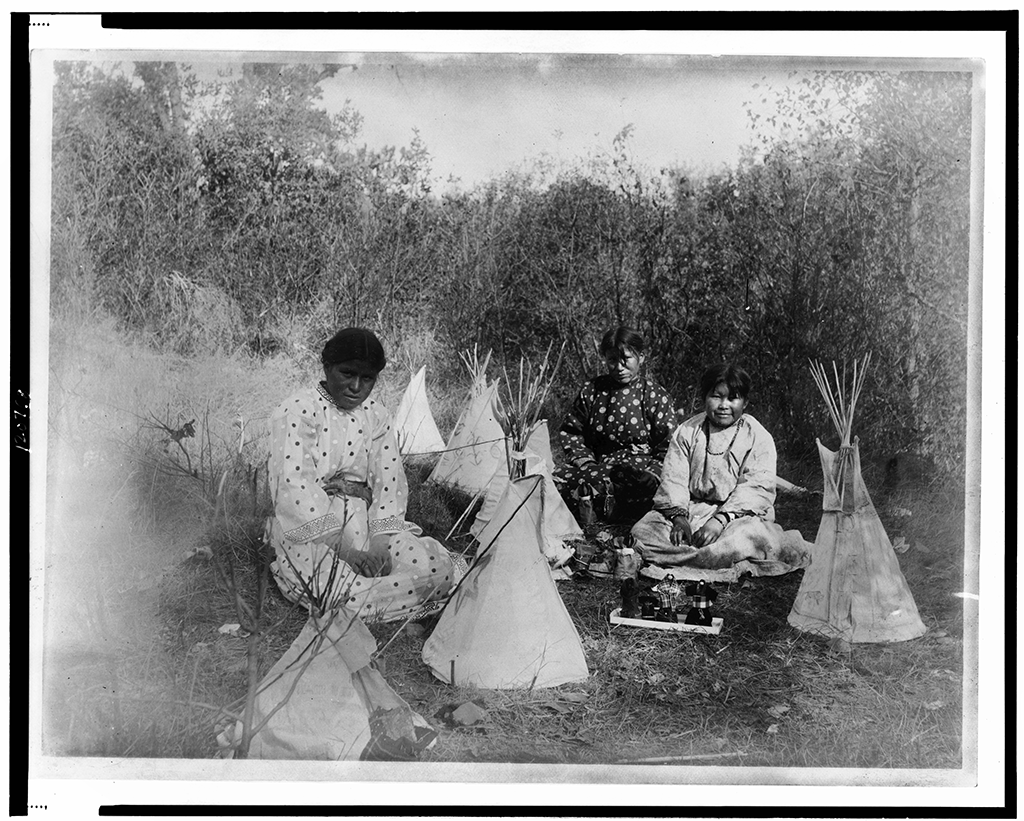
It's always hard to find vintage pictures of kids with their toys. I found this image from 1907 in the Library of Congress. This photo of Cheyenne girls playing displaying their dolls and doll-sized teepees is unusual in its casual empathy.
I wondered about the context of the image and found the photographer Julia Tuell was a young missionary assigned to the Lame Deer Agency in Montana. I haven't found a good complete archive of her photos, but many are striking in their intimacy such as this image of Cheyenne sun dance ceremony preparations. Scans of two of her photobooks can be found at the Buffalo Bill Center of the West: Julia Tuell 1, Julia Tuell 2. It's important to remember that adults in the community would have lived through Custer's massacres and were entering a period of bewildering change and oppression. Imagine the impression made by a Cheyenne-speaking white woman carrying a large Kodak camera.
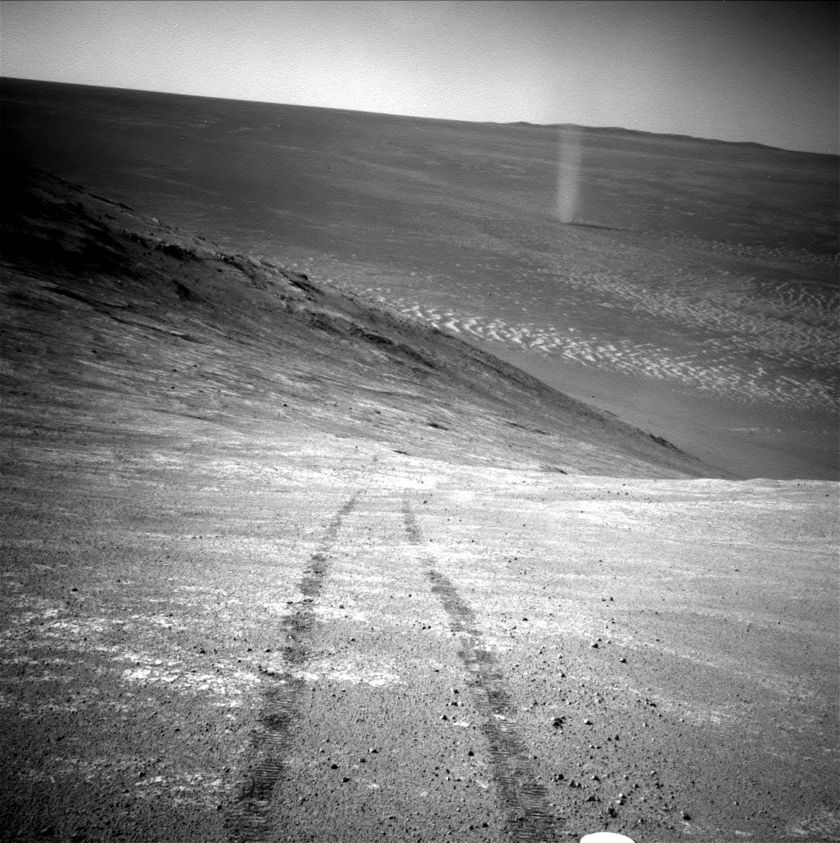
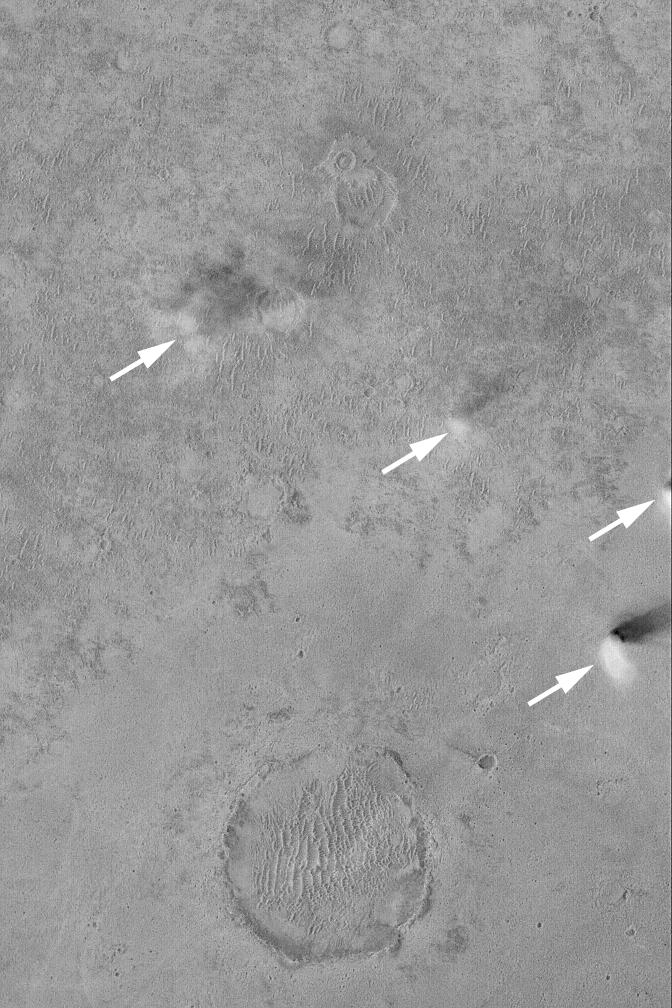
More NASA dust devil images. HiRise dust devil images.
Having grown up in an area known as Gobbler's Knob I've always had a fondness for East Texas place names. Often the original towns have vanished, but the names persist.
East Texan historian Bob Bowman lists a few including:
Chickenfeather
Pinetucky
Yard
Grannie’s Neck
Lick Skillet
Weeping Mary
Cuthand
I also like the cities named after other places:
Africa
Asia
Athens
Brooklyn
Geneva
Old Boston
Palestine
Moscow
And then there are the weird ones:
Birthright
Black Ankle
Bobo (on the famous Tenaha, Timpson, Bobo & Blair [or alternately Wells] line)
Cheeseland
Coke
Climax
Ebenezer
Holcomb Store
Jumbo - Named for the elephant.
Latch
Mim's Chapel
Mutt and Jeff
Old Dimple
Quicksand
Rambo
Tinrag
Twin Groceries
Uncertain
Weeping Mary
Who'd Thought it
 I love the weird and wonderful work of David Jien. His gallerist Richard Heller writes, "he takes inspiration from the infinite possibilities of science fiction, the storytelling of Henry Darger, the isometric perspective and narrative geography of Nintendo and Chinese scroll paintings, the eroticism of Japanese pillow books and the limitless transformations of graffiti..."
"When I taught you
at eight to ride
a bicycle, loping along
beside you
as you wobbled away
on two round wheels,
my own mouth rounding
in surprise when you pulled
ahead down the curved
path of the park,
I kept waiting
for the thud
of your crash as I
sprinted to catch up,
while you grew
smaller, more breakable
with distance,
pumping, pumping
for your life, screaming
with laughter,
the hair flapping
behind you like a
handkerchief waving
goodbye."
-by Linda Pastan
After the a long period of quiet on a 7 hour car trip both my kids started speaking in English accents.
G: "I'm feeling gothic."
R: "Very gothic?"
G: "So very gothic."
R: "I was mildly gothic, but now I'm so completely gothic."
G: "I wear black lipstick."
R: "I wear black eye liner."
G: "We scowl repeatedly, call us the gothic bros."
R: "Yeah. My hair is oh so long."
G: "and tangled and greasy.... And we read Harry Potter obsessively."
R: "We have a black charred hearts."
[chuckles]
Barb
Dragoon
English Carrier
French Bagdad
Polish Cere Pigeon
Scandaroon
Spanish Barb
Steinhiem Bagdad
Origami Math
The Man without Fingernails
Sushi in School
At School We Need a Robotics Class
Deadly Kitties
Diseases
Every Kid Should Have A Ball
Stop Wars
Mutations and the Disabled
Freedom for All People (Stop Racist People)
Recipe for Alien Soup
Pelican Jokes
What if I was a Penguin
Death Poem
My Little Owl Friend
Describe Your Shoe
Poseidon, Zeus, Hermes, Achilles, and Hercules (My Hermit Crabs): If they could speak
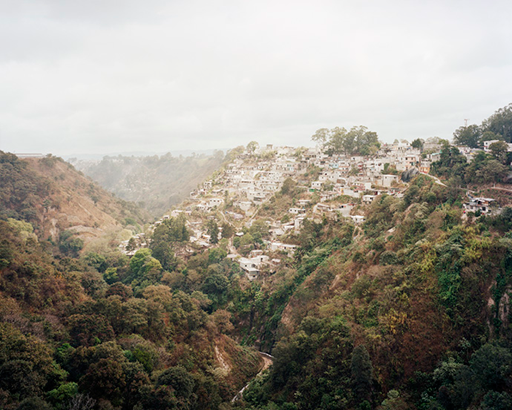
I'm a big fan of Ferit Kuyas's work. His new book on Guatemala City will be out soon. I'm excited.
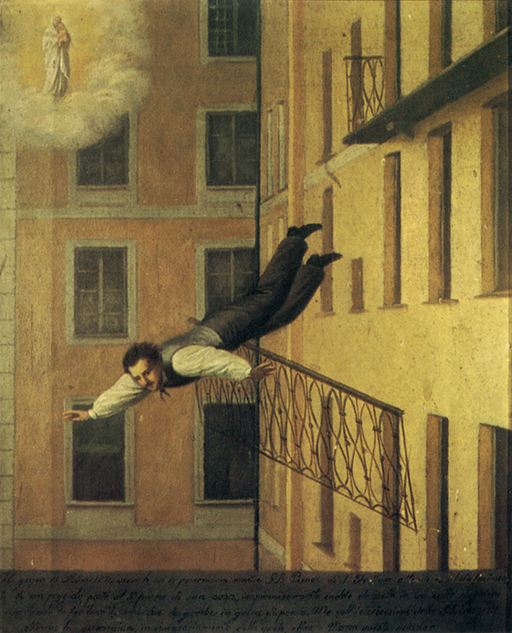
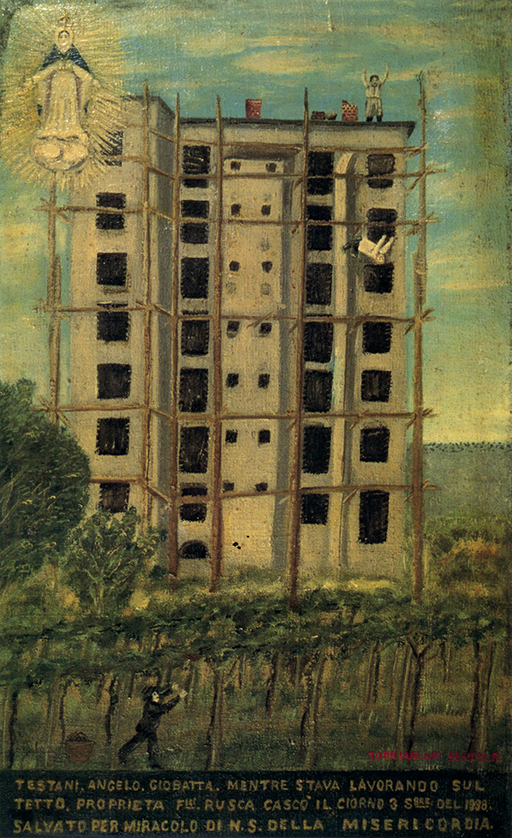
I have loved ex-votos ever since I spotted a small cluster of them in the back of my abuelita's church. I was immediately fascinated with their strangeness and power. As soon as I had a paycheck I started collecting them and have studied the Mexican forms of this art in detail. That said, I've only been vaguely aware of the European ex-voto traditions that inspired the Mexican tradition. A blog called Chaudron has collected a fantastic set of Italian ex-votos of people falling (who were presumably miraculously saved).
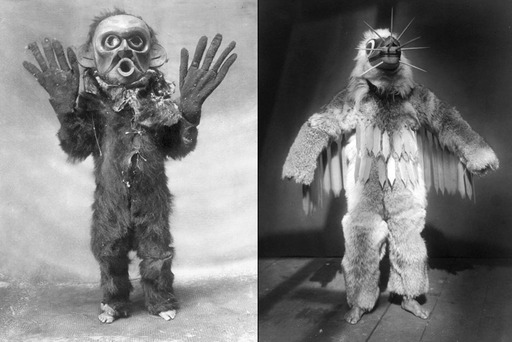
The Atlantic's InFocus blog features a set of extraordinary portraits of Native Americans. Many of images remind me of the faces, hairstyles, and ceremonial costumes of people I encountered in the far corners of Tibet in the late 90s.
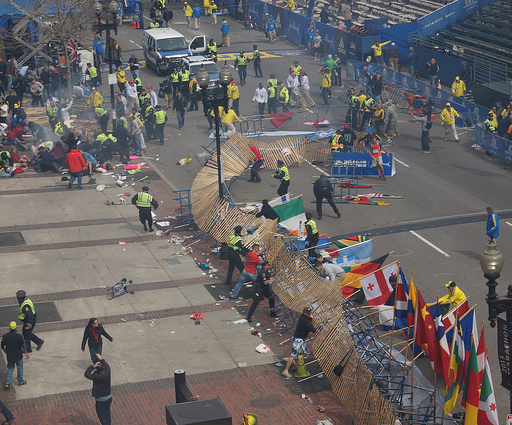
Photo by Aaron Tang
Photographer Ramsay de Give and editor/producer Kristen Joy Watts have a lovely project in The Weight of Objects which pairs portraits with pictures of treasured objects and text. We were lucky to have the kids photographed for this a few weeks ago. The Weight of Objects also features a super instagram feed that teases upcoming photos.
RIP Rogert Ebert.
I had many email interactions with him when I was working in Hollywood, most of them pleasant. But my favorite exchange was this one which was his response to Bring It On which I was helping promote. I had not known he had seen the movie yet and had sent him a studio blurb which described the movie as a girl power flick. He did not mince words.
Roger Ebert
REBERT@compuserve.com
August 18, 2000
Girl power? Bimbo power, I'd say. Wait until you see "Girlfight."
"Bring It On" is so thin, shallow, callow, and ripe with missed opportunities! It needed to be an R so that it could have explored the material it waters down.
Best,
RE
Related: A bad review
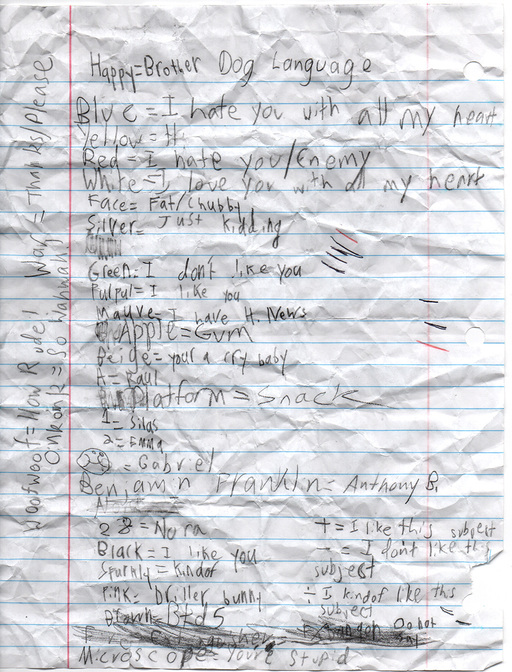
Found in the trash:
The second presidential debate will be contested tonight. Included are links to historical presidential debates past as well as old ads/speeches for years with no debates. My favorite link is one of a Democratic Ronald Reagan campaigning for Truman.
2012 Obama / Romney 1
2008 Obama / McCain 1, Obama / McCain 2, Obama / McCain 3
2004 Bush / Kerry 1 (Pt 1) Bush / Kerry 1 (Pt 2) Bush / Kerry 1 (Pt 3) etc.
2000 Bush / Gore (Pt 1.), Bush / Gore (Pt 2.), Bush / Gore (Pt 3.), Bush / Gore (Pt 4.), Bush / Gore (Pt 5.), Bush / Gore (Pt 6.), Bush / Gore (Pt 7.)
1996 Clinton / Dole 1, Clinton / Dole 2
1992 Clinton / G W H Bush / Ross Perot
1988 Bush / Dukakis
1984 Reagan / Mondale
1980 Reagan / Carter
1976 Carter / Ford 3
1972 Nixon / McGovern (no debate)
1968 Nixon / Wallace /Humphrey (no debate)
1964 Johnson / Goldwater (no debate)
1960 Kennedy / Nixon
1956 Eisenhower / Stevenson (no debate)
1952 Eisenhower / Stevenson (no debate)
1948 Truman / Dewey (no debate)
1944 Roosevelt / Dewey (no debate)
1940 Roosevelt / Wendell Wilkie (no debate)
1936 Roosevelt / Landon (no debate)
1932 Roosevelt / Hoover (no debate)
1928 Hoover / Smith (no debate)
. . . . . . . . . .
Semi related: Eisenhower in Color, Inaugural Addresses Past, Abe Lincoln in Person, Teddy Roosevelt Recording
Gabriel: "At the end of the rainbow is an everything tree. It can make whatever you want. Cherries... Toys... Even little dogs... Just everything"
Me: "What does it look like?"
Gabriel: "You can't see it, that's why it's at the end of the rainbow. You can never find it."
Me: "Can you draw it?"
Gabriel: "I can draw it. Maybe you can. Maybe. I don't know, but most people can't."
Me: "Why?"
Gabriel: "You know why... people get dusty in their mind."
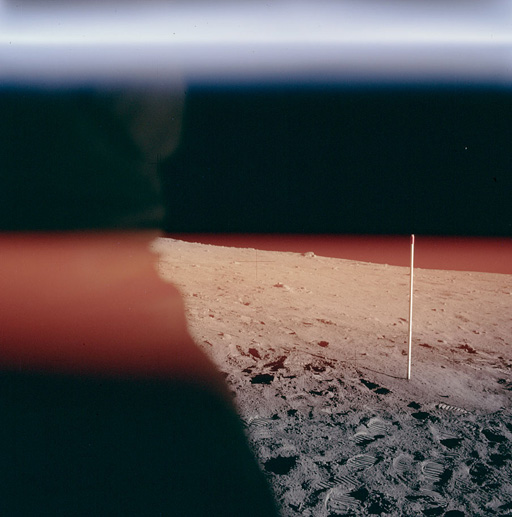
Somewhere deep in a storage unit in Texas sits a signed photograph of Neil Armstrong, beneath it you will find a short handwritten letter from him addressed to me.
I spent my 6th grade summer biking to the library, going through Who's Who in America and writing anyone I thought famous. Most of my letters were simple and gushing (this is a draft of a letter I wrote to Dr. J). But my letters to astronauts were different. I was a space geek. A file cabinet in my bedroom bulged with pages cut from magazines and newspapers: Venera 9, Venera 10, Apollo-Soyuz, Viking, Luna 24, Voyager, Pioneer etc., were all neatly cataloged and categorized. A set of 4x6 note cards detailed all the major known objects in the solar system with a drawing of each. I had several bookshelves devoted to space literature was an avid model rocketeer. Tom Wolfe's The Right Stuff had been released in January of that year. I devoured it. Worship was too small a word for what I felt about the Mercury, Gemini, and Apollo astronauts. I didn't understand why Apollo had ended. Why weren't we still pushing humans deeper into the void?
The plans for the Space Shuttle (which hadn't launched yet) seemed absurd to me. I wondered, "why build a space plane when Mars beckons?" I poured all these thoughts into my astronaut fan letters. Many sent letters, but Armstrong's was memorable. It was short and simple. He told me he wouldn't have gotten to the moon if he hadn't been an engineer and that he didn't do it alone. He advised me to learn to use a slide rule, to think through problems, and to work hard. He told me to never stop looking up at the sky and imagining what was up there.
This week I've read every Armstrong obituary I've come across. Characteristically, The Economist published one of the best. They dug up this quote:
Armstrong offered the following self-portrait: “I am, and ever will be, a white-socks, pocket-protector, nerdy engineer, born under the second law of thermodynamics, steeped in steam tables, in love with free-body diagrams, transformed by Laplace and propelled by compressible flow.”
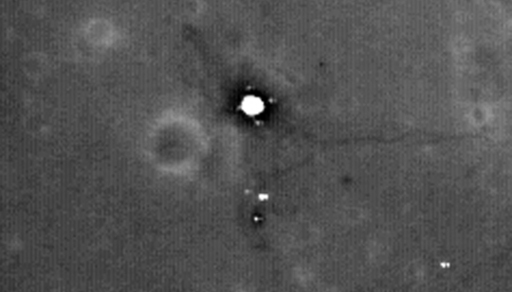
I didn't expect to be surprised anything I read this week about Armstrong and his two hours and thirteen minutes on the moon, but several little details reported in the Armstrong tribute/news river were new to me. I had not known his iconic portrait of Buzz Aldrin was doctored by NASA to correct for a bad crop and that there were few pictures of Armstrong actually on the moon. I recommend paging through the 122 shots in the unedited archive of all 122 images taken during that first moonwalk. The mistakes and the pictures normally edited out somehow bring the archive to life. They also made me wonder, did they pause at the hatch on the way back in and take one last look. What did it sound like in those suits?
A college friend's mom was a beauty queen who escorted astronauts around San Juan on their post-landing worldwide triumphal journey. She noted that the NASA guys partied hard— harder even than the Beatles who she also guided around the city, but not Armstrong, "He was cool. You hardly knew he was there."
It is easy to be nostalgic about the idea of moon landing, about a night when the whole world was united. My mother painted a picture of suburban Houston where all the television sets were flickring in unison and the streets were empty. EB White describes a more distracted scene here in NY. But was it really worldwide? I've travelled to plenty of places where people have no idea we went up there.
No man born after 1935 has walked on the moon. In a few short years the last astronaut to holding those memories will be gone. The moment is already fading from our collective experience being relegated to a deeper past... easier to mythologize, but also easier to forget.
Lydia Netzer writes in the NYTimes:
Remember Plato’s allegory of the cave. In the cave, the people look at shadows moving on the wall. They watch the shadows move, and they think that’s living. What if they could go outside and see the sun? That’s us, moving from the Earth to the Moon. That’s Neil Armstrong, who died at the age of 82 over the weekend, standing on the Moon, and looking back at Earth.
The thing about the cave is, it’s not just one cave. It’s more caves, and more, all nested within one another. The Moon was our first cave; Mars will be next. And then there will be another cave, and another.
--
Related: Mexican Lullaby, La Luna, Wanderers, Luna Llena,
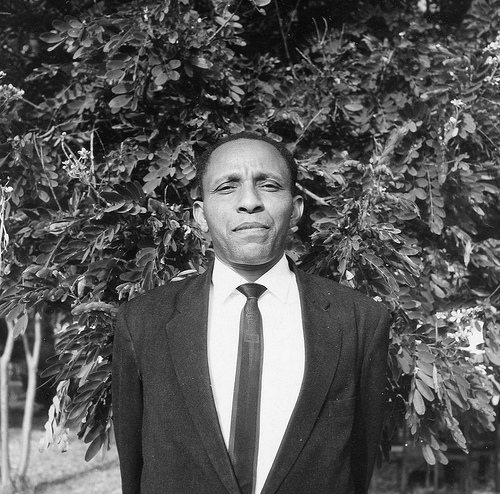
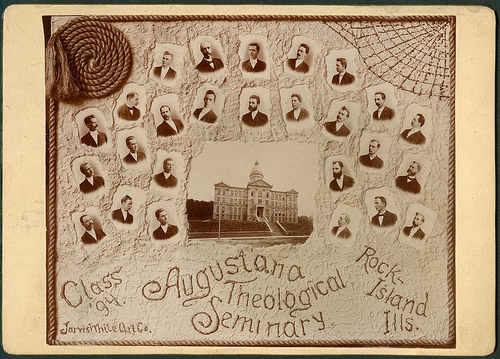
I have no idea how I stumbled onto the Photography Archives of the Evangelical Lutheran Church, but I can tell you they are rich, deep, occasionally odd and well worth the journey.
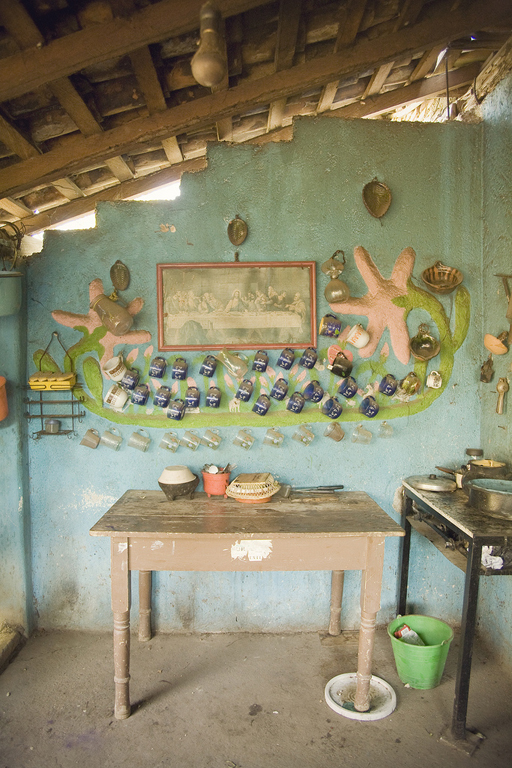
I have a soft spot for road trip photography that traces an emotional, historical, or personal journey. Melba Arellano's Carretera National project tracing the Acapulco-Zihuatanejo highway feels as if it was made just for me.
INTERVIEWER
How important has your sense of optimism been to your career?
BRADBURY
I don’t believe in optimism. I believe in optimal behavior. That’s a different thing. If you behave every day of your life to the top of your genetics, what can you do? Test it. Find out. You don’t know—you haven’t done it yet. You must live life at the top of your voice! At the top of your lungs shout and listen to the echoes. I learned a lesson years ago. I had some wonderful Swedish meatballs at my mother’s table with my dad and my brother and when I finished I pushed back from the table and said, God! That was beautiful. And my brother said, No, it was good. See the difference?
Action is hope. At the end of each day, when you’ve done your work, you lie there and think, Well, I’ll be damned, I did this today. It doesn’t matter how good it is, or how bad—you did it. At the end of the week you’ll have a certain amount of accumulation. At the end of a year, you look back and say, I’ll be damned, it’s been a good year.
Read the entire Ray Bradbury interview at the Paris Review.
Found at my kid's school:
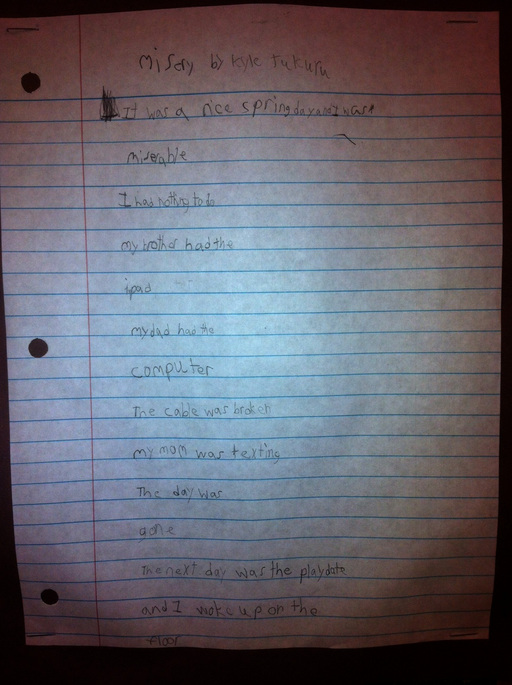
Misery by Kyle Takuru
It was a nice spring day and I was
miserable
I had nothing to do
my brother had the
ipad
my dad had the
computer
the cable was broken
my mom was texting
The day was
gone
the next day was the playdate
and I woke up on the
floor.
When I was a kid I imagined the sound of night to be wind in the branches and the beat of firefly wings.
As a teen I imagined it to be the breath of the sleeping.
Night in New York where the quiet hours were never so quiet, was always a conversation, muffled and rich.
In LA it was the tinkle and chime of a distant party.
Today, if I close my eyes after 2 or so, wherever I am, night is always full of keyboards... clicking away, endlessly, out there in the dark.
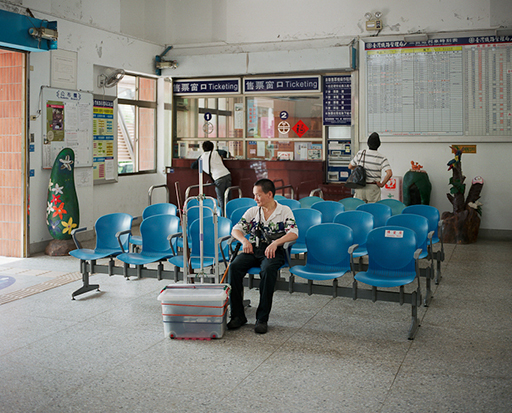
I'm a fan of images of inbetween places so I-Hsuen Chen's project "Nowhere in Taiwan" is tailor made for my taste. The project which was just featured on Culture Hall is part of a series of projects all centered around finding moments of intimacy.
In addition to her professional site, I-Hsuen posts regularly to a photo blog.
On Friday Jason Kottke recommended the audio version of Charlotte's Web read by EB White himself. We happened to have a long drive that night and took it for a listen. The audiobook is simply produced without fussy music or sound effects, it's just White reading and it's wonderful.
To get a sense of White's voice, you can check out this Academy award nominated short The Family That Dwelt Apart; it's an adaptation of one of his New Yorker short stories and is also self-narrated.
And since we're on a White kick, fans might also enjoy this 1970's era form letter to his young readers.
Dear Reader:
I receive many letters from children and can't answer them all -- there wouldn't be time enough in a day. That is why I am sending you this printed reply to your letter. I'll try to answer some of the questions that are commonly asked.
Where did I get the idea for Stuart Little and for Charlotte's Web? Well, many years ago I went to bed one night in a railway sleeping car, and during the night I dreamed about a tiny boy who acted rather like a mouse. That's how the story of Stuart Little got started.
As for Charlotte's Web, I like animals and my barn is a very pleasant place to be, at all hours. One day when I was on my way to feed the pig, I began feeling sorry for the pig because, like most pigs, he was doomed to die. This made me sad. So I started thinking of ways to save a pig's life. I had been watching a big grey spider at her work and was impressed by how clever she was at weaving. Gradually I worked the spider into the story that you know, a story of friendship and salvation on a farm. Three years after I started writing it, it was published. (I am not a fast worker, as you can see.)
Sometimes I'm asked how old I was when I started to write, and what made me want to write. I started early -- as soon as I could spell. In fact, I can't remember any time in my life when I wasn't busy writing. I don't know what caused me to do it, or why I enjoyed it, but I think children often find pleasure and satisfaction is trying to set their thoughts down on paper, either in words or in pictures. I was no good at drawing, so I used words instead. As I grew older, I found that writing can be a way of earning a living.
Some of my readers want me to visit their school. Some want me to send a picture, or an autograph, or a book. And some ask questions about my family and my animals and my pets. Much as I'd like to, I can't go visiting. I can't send books, either -- you can find them in a bookstore or a library. Many children assume that a writer owns (or even makes) his own books. This is not true -- books are made by the publisher. If a writer wants a copy, he must buy it. That's why I can't send books. And I do not send autographs -- I leave that to the movie stars. I live most of the year in the country, in New England. From our windows we can look out at the sea and the mountains. I live near my married son and three grandchildren.
Are my stories true, you ask? No, they are imaginary tales, containing fantastic characters and events. In real life, a family doesn't have a child who looks like a mouse; in real life, a spider doesn't spin words in her web. In real life, a swan doesn't blow a trumpet. But real life is only one kind of life -- there is also the life of the imagination. And although my stories are imaginary, I like to think that there is some truth in them, too -- truth about the way people and animals feel and think and act.
Yours sincerely,
E.B. White
« Previous 15 Posts
« Previous Post (My 4 Year Old On What Makes a Good Shoe)
2019
:
Jan
.
2016
:
Mar
.
2015
:
Dec
.
2014
:
Oct
.
2013
:
May
.
Apr
.
Mar
.
2012
:
Oct
.
Sep
.
Aug
.
Jul
.
Jun
.
May
.
Mar
.
Feb
.
Jan
.
2011
:
Dec
.
Nov
.
Oct
.
Sep
.
Aug
.
Jul
.
Jun
.
May
.
Apr
.
Mar
.
Feb
.
Jan
.
2010
:
Dec
.
Nov
.
Oct
.
Sep
.
Aug
.
Jul
.
Jun
.
May
.
Apr
.
Mar
.
Feb
.
Jan
.
2009
:
Dec
.
Nov
.
Oct
.
Sep
.
Aug
.
Jul
.
Jun
.
May
.
Apr
.
Mar
.
Feb
.
Jan
.
2008
:
Dec
.
Nov
.
Oct
.
Sep
.
Aug
.
Jul
.
Jun
.
May
.
Apr
.
Mar
.
Feb
.
Jan
.
2007
:
Dec
.
Nov
.
Oct
.
Sep
.
Aug
.
Jul
.
Jun
.
May
.
Apr
.
Mar
.
Feb
.
Jan
.
2006
:
Dec
.
Nov
.
Oct
.
Sep
.
Aug
.
Jul
.
Jun
.
May
.
Apr
.
Mar
.
Feb
.
Jan
.
2005
:
Dec
.
Nov
.
Oct
.
Sep
.
Aug
.
Jul
.
Jun
.
May
.
Apr
.
Mar
.
Feb
.
Jan
.
2004
:
Dec
.
Nov
.
Oct
.
Sep
.
Aug
.
Jul
.
Mar
.
2003
:
Apr
.
1999
:
May
.
 to this site